How Professionals Restore Safety After Drug Lab Cleanup and Decontamination in San Francisco
When a property is used as a drug lab, it can stay dangerous even after the drug activity has stopped. Harmful chemicals and drug residue may remain on walls, floors, air vents, furniture, and personal items. These dangers are not always easy to see or smell, but they can still affect people who live or work in the space.
This is why Drug Lab Cleanup is more than regular deep cleaning. It is a careful process that helps remove unsafe materials and lower health risks. In San Francisco, homes and apartments are often close together. So, if contamination isn’t handled well, it can spread to other areas.
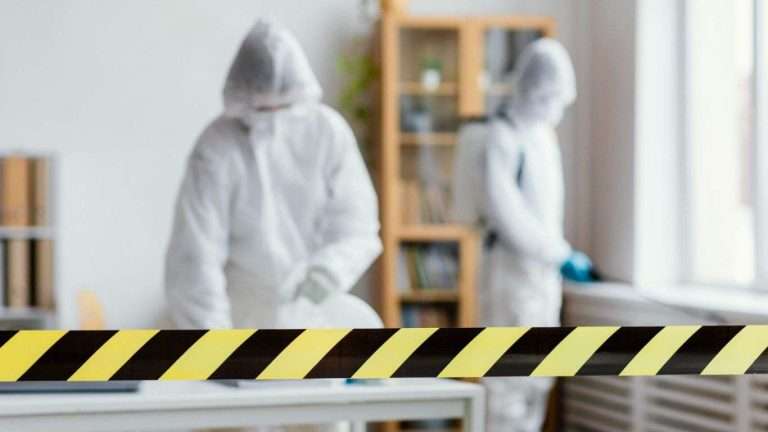
Cleanup teams, such as Bio911, follow safe procedures when inspecting the property. They remove harmful residues, clean affected areas, and make the space safer to use again. Their goal is to protect residents, neighbors, workers, and anyone who may enter the property in the future.
Why drug lab contamination is uniquely dangerous
The chemicals can leave dangerous residues and by-products that could contaminate porous surfaces, including but not limited to drywall, insulation, carpeting, fabric upholstery, and unfinished wood. Exposure can be as simple as handling objects, inhaling dust particles, or allowing children to crawl on contaminated surfaces.
The contamination risks could include:
- Residue left on surfaces that may come into contact with skin, clothing, or areas where food is prepared.
- Dust or particles are released into the air during demolition, vacuuming, or HVAC use.
- Hidden problem areas in places like vents, drains, cabinets, and behind appliances.
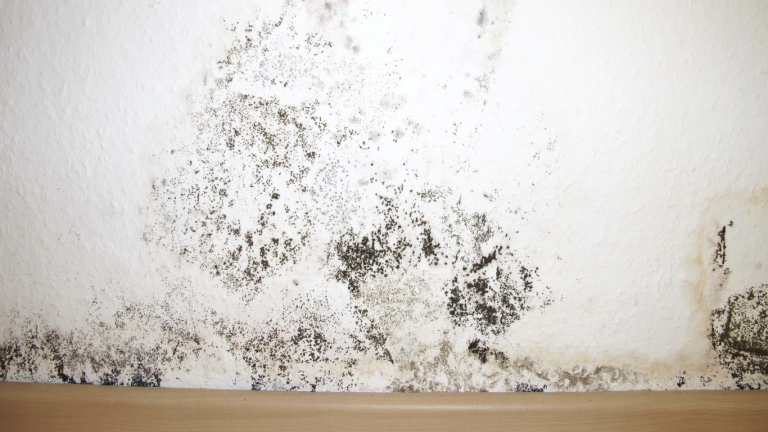
Another complication is that drug lab sites rarely have just one issue. It’s common to find moisture problems, mold growth, pest activity, or extreme clutter. A qualified team can coordinate related services, such as decontamination and infestations, Mold Remediation, Hoarding Cleanup, and Water Damage Cleanup, when those conditions occur within the same environment.
How professionals approach drug lab cleanup in San Francisco
Drug lab cleanup and decontamination are performed using three main methods. They control access. They also manage the spread of contaminants. The team decides which items to remove and which to restore. The team uses established principles to guide their work process at each unique site.
1) Safety-first assessment and planning
Before they start cleaning, the technicians inspect the areas that might be affected. They consider which materials could be contaminated. The technicians also think about the building design. In San Francisco, estate shared walls are really important. They also consider ventilation paths, stairwells, and common areas like lobbies and hallways. The cleaning technicians want to make sure they do their job, so they consider factors like the building design, shared walls, and ventilation paths when preparing to clean.
This planning stage helps answer key questions like:
- Which rooms should be off-limits?
- Which items can be saved, and which need to be thrown away?
- What’s the best way to clean each type of surface?
2) Containment to prevent cross-contamination
Containment is the main distinction between professional work and DIY efforts. The goal is to keep residues and dust from migrating into clean areas. The site requirements determine which procedures will be used to establish separation through room isolation and airflow control, as well as the installation of dedicated entry and exit points.
Containment becomes even more important in multi-unit buildings, where shared hallways and ventilation can put other residents at risk if Cleanup isn’t controlled.
3) Removing unsalvageable materials and affected contents
Some materials simply can’t be safely restored. The structure must remove non-porous items. They have soaked up hazardous materials that must be removed.
The affected items are:
- Soft goods
- Carpet and padding
- Damaged drywall
- Insulation
If the site also involves heavy clutter or storage issues, Hoarding Cleanup can be essential to reach affected surfaces and ensure every area is properly treated, rather than cleaned “around” items.
4) Detailed cleaning and decontamination
Once the removal procedure is complete, the technician will perform all surface cleaning and disinfection. The team will select the most appropriate treatment procedure based on the type of contamination and the surface to be cleaned. This procedure effectively reduces surface contamination on high-touch items, including handles, switches, and countertops. Testing will be conducted on every part of the facility, including baseboards, cabinets, ceilings, and utility rooms.
In some cases, decontamination overlaps with other biohazard-related needs. For example, if the property also has evidence of a medical emergency, violence, or other traumatic event, Trauma Scene Cleanup may be required to address additional health risks and restore the space respectfully and safely.
5) Odor issues and air quality concerns
Odors function as warning signs, but the lack of odor does not tell us anything about the actual situation. The odor may be considered good, but there may still be some residual odor. The presence of odors suggests that hazardous materials have contaminated both the absorbent and HVAC systems.
Professionals target the cause rather than cover up the smell. If there is moisture, such as from plumbing leaks, floods, or water damage, handling it through Water Damage Cleanup will help prevent subsequent issues like mold and odor.
Where decontamination matters most (and gets missed)
Drug lab contamination goes beyond just countertops. It can spread through air currents, turning into dust that settles in areas that aren’t regularly cleaned. Because of this, the entire project demands full attention to every part of the space, as many areas are often overlooked.
Commonly missed areas include:
- HVAC returns and vents that allow particles to build up and be recirculated
- In cabinets and under-sink voids
- Appliance gaps (gaps behind refrigerators and stoves)
- Bathrooms and drains that have been rinsed and might have residues
If there are pests such as roaches, rodents, or insects, Cleanup may require additional steps. Decontamination and infection control measures may be required. Infestations can spread contamination. They track debris and droppings throughout a structure. This makes restoration harder if not handled with the main Cleanup.
Actionable steps for property owners and managers
In case you suspect that a drug lab existed within a residential or commercial property, consider it to be potentially hazardous until proven otherwise. The following is a list of recommendations for reducing your risks during Cleanup.
- Limit access immediately: Keep children, pets, and unnecessary foot traffic out of the area.
- Don’t start cleaning or demo: Sweeping, vacuuming, or tearing out materials can spread dust and debris into the air and onto clean surfaces.
- Avoid running HVAC if you’re unsure: Air movement can distribute particles throughout the building.
- Document what you see. Take photos of rooms and any suspicious materials from a safe distance. This can help with property decisions and coordination.
- Plan for related issues: Be prepared that Mold Remediation, Water Damage Cleanup, or Hoarding Cleanup may be necessary if the environment has been neglected.
Most importantly, choose a team that treats the job as a restoration of safety, not just appearance. The goal is a space that can be occupied with confidence, not one that merely looks clean on the surface.
How is safety restored after Cleanup?
“Restoring safety” means reducing exposure risks to a level appropriate for normal use of the space. Professionals do that by combining controlled work practices with targeted cleaning and removal, then ensuring the site is ready for the next step, whether that’s repairs, re-occupancy, or additional restoration.
In practical terms, this means:
- Making sure contamination doesn’t get trapped in porous materials
- Preventing it from spreading to nearby rooms or units
- Handling additional issues like moisture, mold, or pest infestations
- Leaving the property in a condition where rebuilding and normal cleaning can proceed safely
Moving Forward with Confidence
When professionals do drug lab cleanup, the result is more than just a clean space. It’s a safer environment with fewer risks, which is exactly what property owners, tenants, and neighbors need to move forward confidently.
If you think there’s a drug lab in San Francisco, don’t use unqualified cleaners. A trained team can handle Drug Lab Cleanup. They also provide other important services. These include decontamination, mold remediation, and water damage cleanup. By addressing the entire property, we ensure we take care of everything, not just parts.
For professional help, contact Bio911 today. Our team is ready to make your property safe and livable again. Let us handle the tough work so you can move forward with peace of mind.