The Importance of Decontamination Services for Homes and Businesses When Disinfection Isn’t Enough
The Importance of Decontamination Services for Homes and Businesses When Disinfection Isn’t Enough
Most people think “disinfection” is the finish line. Wipe down surfaces, spray a sanitizer, let it dry, and you’re done. But in real-world homes and businesses, especially after a serious incident, disinfection is only a small part of what’s needed.
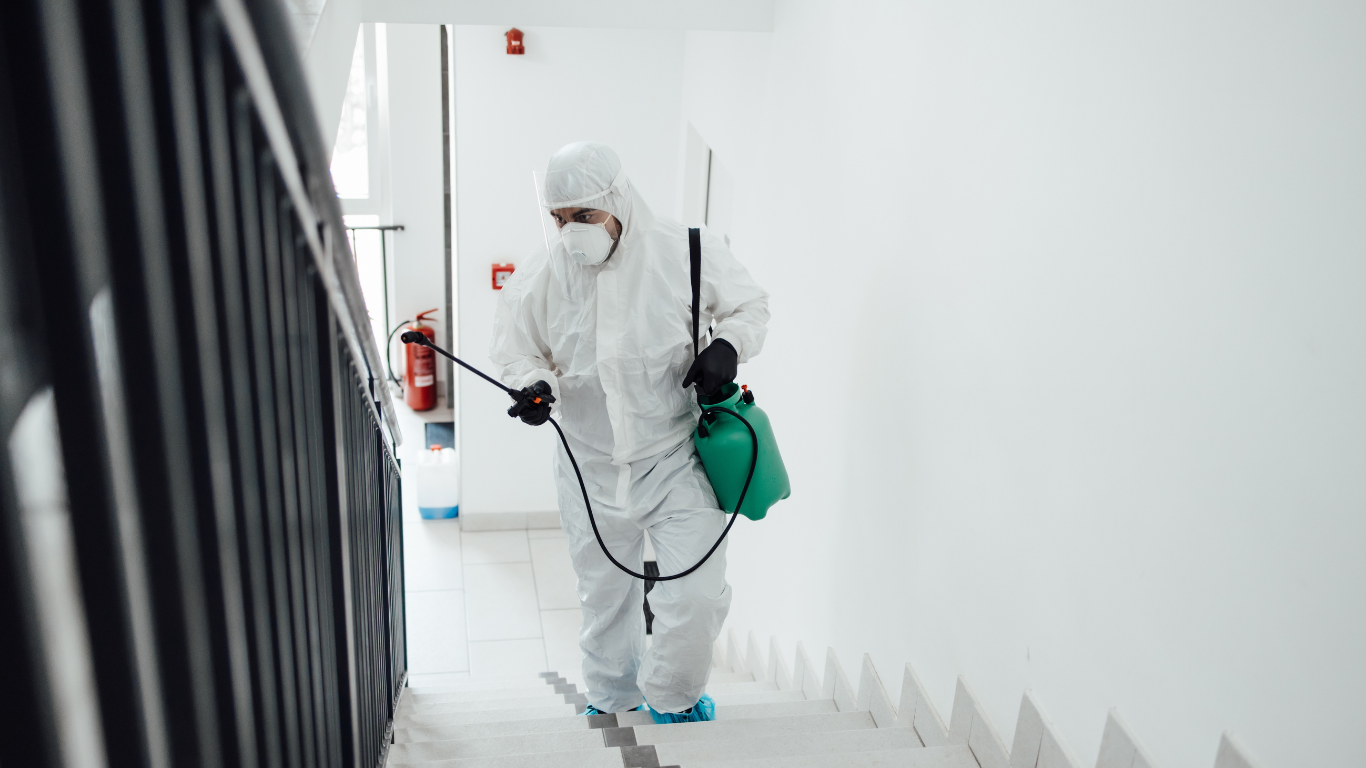
That’s where decontamination services come in. Decontamination is about safety, not just looking clean. This matters when invisible contaminants soak into surfaces or spread through the air. It includes dangerous biological contaminants, too.
1) Disinfection vs. decontamination: what’s the real difference?
Disinfection is normally carried out on pathogens present on non-porous objects. The process is quite helpful in normal conditions. Decontamination addresses the source of infection, the means of transmission, and contaminated objects.
Decontamination is needed when there are contaminants like:
- Bodily fluids
- Chemical residues
- Drug-related hazards
- Heavy mold growth
- Pest-related contamination
- Sewage and water intrusion
In those cases, “spray and wipe” can leave behind dangerous residue or allow the problem to return.
2) When disinfection isn’t enough: 10 common scenarios
When determining whether a scenario is merely “messy” or actually dangerous, this list can help you decide whether a situation is just ‘messy’ or truly dangerous, and whether professional decontamination is a possible option.
- After a trauma or unattended death: biohazards can spread beyond what you see. They can get into subflooring, furniture, or wall cavities. This is where Trauma Scene Cleanup is designed to restore safety and dignity.
- Suspected drug activity or residue: Drug-related contamination can involve harmful chemicals and residues that aren’t addressed by standard cleaning. Drug Lab Cleanup targets these higher-risk environments.
- Water damage that reached porous materials: Water can carry bacteria and contaminants and can soak into drywall, insulation, and flooring. Water Damage Cleanup focuses on drying, removal of affected materials when needed, and preventing secondary issues.
- Recurring musty odors or visible growth: If mold is active, surface cleaning alone doesn’t solve the underlying moisture and spread. Mold Remediation is intended to address contamination and the conditions that allow it to persist.
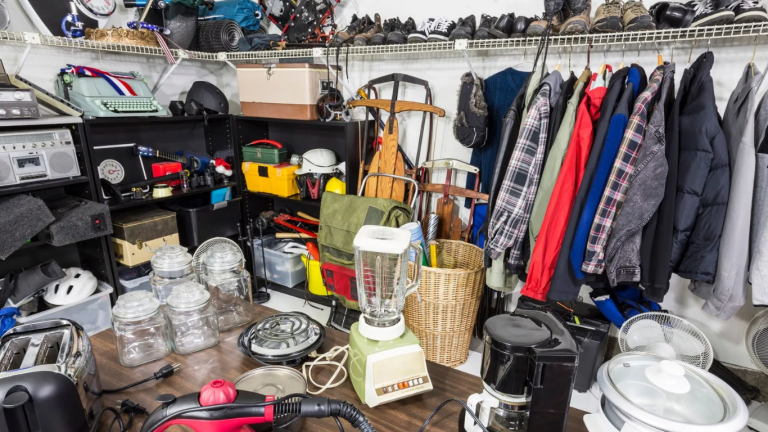
- Hoarding environments: Hoarding can involve decomposing waste, pest activity, and embedded contamination across many surfaces and belongings. Hoarding Cleanup often requires both careful sorting and targeted decontamination.
- Infestations and pest contamination: Droppings, nesting materials, and insect debris can contaminate insulation, vents, and hidden spaces. Decontamination & Infestations addresses what typical cleaning can’t reach.
- Sewage backup or contaminated water exposure: This is not a “disinfect and move on” event. Contaminated water can penetrate materials and spread pathogens.
- Commercial restrooms or shared spaces after a high-risk incident: A single event (vomit, blood, or other biohazard) can require more than a quick mop, especially in high-traffic businesses.
- HVAC or ventilation concerns: If contaminants have become airborne, wiping surfaces won’t address what may be circulating or settling elsewhere.
- Repeated “cleaning” with no improvement: If stains, odors, or symptoms persist, it often means the contamination is deeper than the surface.
3) Hidden contamination: where hazards linger in homes and businesses
Many don’t realize how important decontamination is. And there is no guarantee the heavily contaminated areas will be obvious. Contaminants could migrate to areas that are not regularly checked.
Common missed zones include:
- Subfloor and carpet underpad
- Edges of drywall, baseboards
- Furniture, upholstered, and mattresses
- In cabinets, behind appliances:
- Air return, vent, and filter
- Storage rooms, crawl spaces, and attics
Contamination can spread rapidly in commercial settings. High-touch areas such as break rooms, restrooms, janitorial closets, and reception seating are particularly susceptible. If these problems are not dealt with promptly, the risk of spread increases.
4) Why “looks clean” can still be unsafe
Cleanliness does not guarantee safety. Some contaminants do not have any specific smell or visible contamination. The smell may get concealed for some time, but that does not solve the issue.
Here are a few ways a space can appear fine while still posing a risk:
- Porous materials hold onto contaminants: Fabrics, wood, and drywall soak up biohazards. They also take in chemical residue.
- Cross-contamination happens fast: Cleaning tools, shoes, and hands can spread germs. They can move these germs into “clean” areas.
- Improper products can make it worse: Some chemicals can react poorly or fail to neutralize specific hazards.
- Moisture creates a rebound effect: If water damage isn’t fixed, mold and bacteria can come back, even after disinfection.
Trust is also an important factor when we consider businesses. Customers and employees can detect any foul smells. Even though the surfaces may be clean, there may still be visible signs.
5) What professional decontamination services typically focus on
Every job is unique. Professional decontamination has three main goals: remove contamination, stop its spread, and make the space safe again.
Depending on the situation, that can involve:
- Cleaning and removal of contaminated porous materials where required
- Specific cleaning techniques according to the nature of the threat (biological hazard, mold, chemicals, pests)
- Odor remediation strategies that tackle the root cause of the odor
- Careful attention to high-touch points and hidden zones
This is why specialized services exist. Trauma Scene Cleanup, Drug Lab Cleanup, Mold Remediation, Hoarding Cleanup, Water Damage Cleanup, and Decontamination & Infestations each address different risks, materials, and safety considerations.
6) Actionable checklist: how to know it’s time to call for help
If you’re still unsure, use this list to help you decide. You don’t need to identify every risk perfectly; just pay attention to when the situation needs more than regular cleaning.
- There’s a biohazard involved (blood, bodily fluids, decomposition, or unknown substances).
- The contamination reached porous materials (carpet, drywall, upholstery, insulation).
- You suspect drug-related residue or chemical contamination.
- Water damage wasn’t fully dried, or you’re seeing signs of mold.
- Odors persist even after repeated cleaning.
- Pests or infestations have left droppings, nesting, or widespread debris.
- The area affects customers or employees (workplaces, rentals, shared buildings).
- You’re worried about liability or reoccupancy safety in a commercial setting.
When one or more of these are true, bringing in professionals can save time, reduce health risk, and prevent expensive repeat problems.
7) Real-life examples: what “not enough” often looks like
Here are some examples to give you an idea of when just disinfection is not enough:
- A retail back room with a lingering odor after a leak: The top of the floor might seem dry, but moisture in the subfloor can cause mold to grow. This often requires Water Damage Cleanup and, sometimes, Mold Remediation.
- An apartment turnover after hoarding: Even after removing clutter, contamination can remain in carpets, cabinets, and bathrooms. Hoarding Cleanup plus decontamination helps make the unit truly livable again.
- An office restroom incident: A quick disinfectant spray may not clean splatter patterns. It might not reach porous grout or nearby touchpoints, either. Targeted decontamination services reduce the chance of lingering hazards.
- A property with suspected drug activity: Standard cleaning doesn’t remove chemical residues. Drug lab cleanup is specifically designed for situations with higher-risk contamination.
8) The business case: downtime, reputation, and peace of mind
For homeowners, the priorities are usually safety, comfort, and property protection. For businesses, there’s also the cost of downtime and the impact on employees and customers.
Professional decontamination can help by:
- Prevention of recurring events that cause shutdowns or complaints
- Odor management and visual cues that affect consumer confidence
- Recovery from traumatic experiences and contamination problems
In a small business, a single contamination issue can be a major distraction. It can spark conversations, lead to avoidance, or escalate.
Contact Bio911 today for professional decontamination services. Our team can help you handle any contamination issue with expertise and care.
Disinfection is a great tool, but it’s not a cure-all. Dealing with water intrusion, mold, hoarding, trauma scenes, drug contamination, or infestations? Decontamination is key. It turns “clean enough to look okay” into “safe enough to live or work in.” If you notice signs that the issue is more serious, treat it that way. Taking action early can mean the difference between an easy cleanup and a costly cycle of ongoing problems.