Professional Mold Removal Services in Berkeley CA: Trusted Experts
Table of Contents
- Mold Removal Services in Berkeley, California: Frequently Asked Questions
- Mold Removal Costs and Investment in Berkeley
- Professional Mold Removal and Remediation Process
- Codes, Permits, and Compliance for Mold Remediation in Berkeley
- Mold Remediation Timeline and Disruption Management
- Still Have Questions About Mold Removal in Berkeley, California?
Mold Removal Services in Berkeley, California: Frequently Asked Questions
If you are looking for mold removal services in Berkeley CA, you likely have questions about safety, the cleanup process, and when to call a professional.
How quickly should I dry water-damaged areas to prevent mold?
The U.S. Environmental Protection Agency advises drying water-damaged materials within 24 to 48 hours; moisture control is the single most effective way to stop mold from establishing.
Can I clean small mold patches myself?
DIY cleanup is acceptable for patches smaller than 10 square feet using detergent, water, and protective gear. For larger contamination, HVAC involvement, or uncertain exposure, hire professionals for mold remediation berkeley.
What is the best way to prevent mold from returning?
Keep indoor relative humidity near 30–50 percent, fix leaks promptly, and ventilate wet areas. If mold recurs despite these steps, we can provide mold removal berkeley.
Because professional mold remediation involves careful assessment and thorough cleanup, the investment is justified for larger problems.
Mold Removal Costs and Investment in Berkeley
Many Berkeley homeowners have questions about what professional mold remediation involves, and once the health and safety concerns are clear, the next natural consideration is the financial investment. Understanding the costs involved helps local residents make informed decisions about protecting their property and their families.
Why is mold removal so expensive?
Professional mold remediation requires more than surface cleaning; it is a careful, regulated process that addresses both visible growth and hidden moisture. The cost reflects the specialized equipment needed to contain airborne spores, such as HEPA air scrubbers and negative air pressure systems. Safety protocols protect technicians and occupants, while contaminated materials must be bagged and disposed of according to state and federal guidelines. At Bio 911, we provide free estimates so Berkeley households can understand the scope of work and the associated investment before committing to any project.
How much does mold removal usually cost?
Residential mold removal costs in the Bay Area can vary widely based on the size of the affected area, the materials involved, and how accessible the mold growth is. A small, contained patch may require only a few hundred dollars to remediate, while extensive contamination behind walls or in HVAC systems can push projects into several thousand. Because no two situations are identical, we offer a no-cost evaluation that accounts for your home’s construction, the type of mold present, and the necessary repair work. Our team also assists with insurance claims and documentation, which can reduce out-of-pocket expenses and streamline the restoration process.
Does mold have to be removed professionally?
The U.S. Environmental Protection Agency (EPA) advises that small mold patches, roughly under 10 square feet, can often be handled by a homeowner using detergent and water, as long as the area is dried completely. However, mold problems that exceed this size, involve HVAC systems, or stem from contaminated water should be managed by trained specialists. The EPA also emphasizes that moisture control is critical; water-damaged materials must be dried within 24 to 48 hours to prevent mold colonization. Furthermore, painting or caulking over moldy surfaces is ineffective because it does not fix the underlying moisture issue and can lead to peeling finishes. When contamination affects porous or valuable items, professional restoration helps avoid permanent damage, and our team is prepared to bring safe, thorough results to Berkeley residences.
Once you understand the investment, the next step is knowing what the professional mold removal process entails, from inspection to final clearance.
Professional Mold Removal and Remediation Process
Understanding the thorough process behind professional mold remediation explains why the cost is a worthwhile investment in your property’s safety.
How is mold removed professionally?
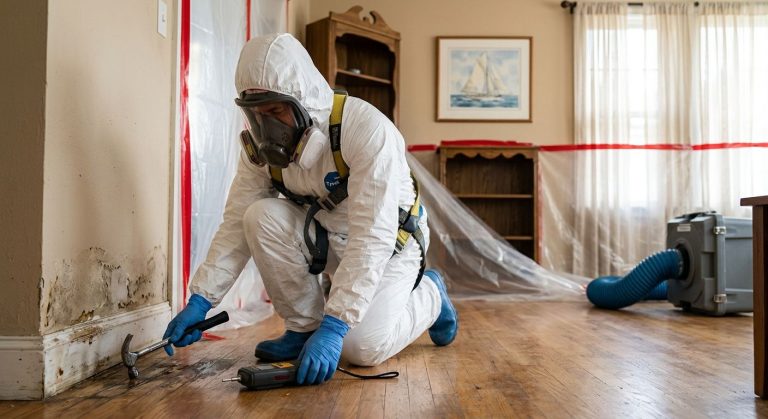
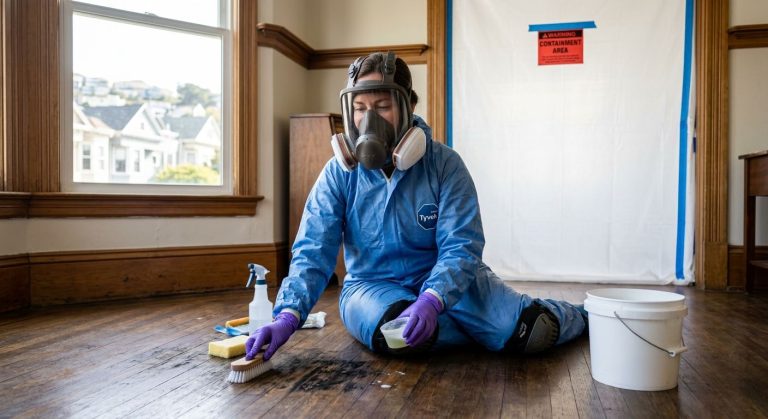
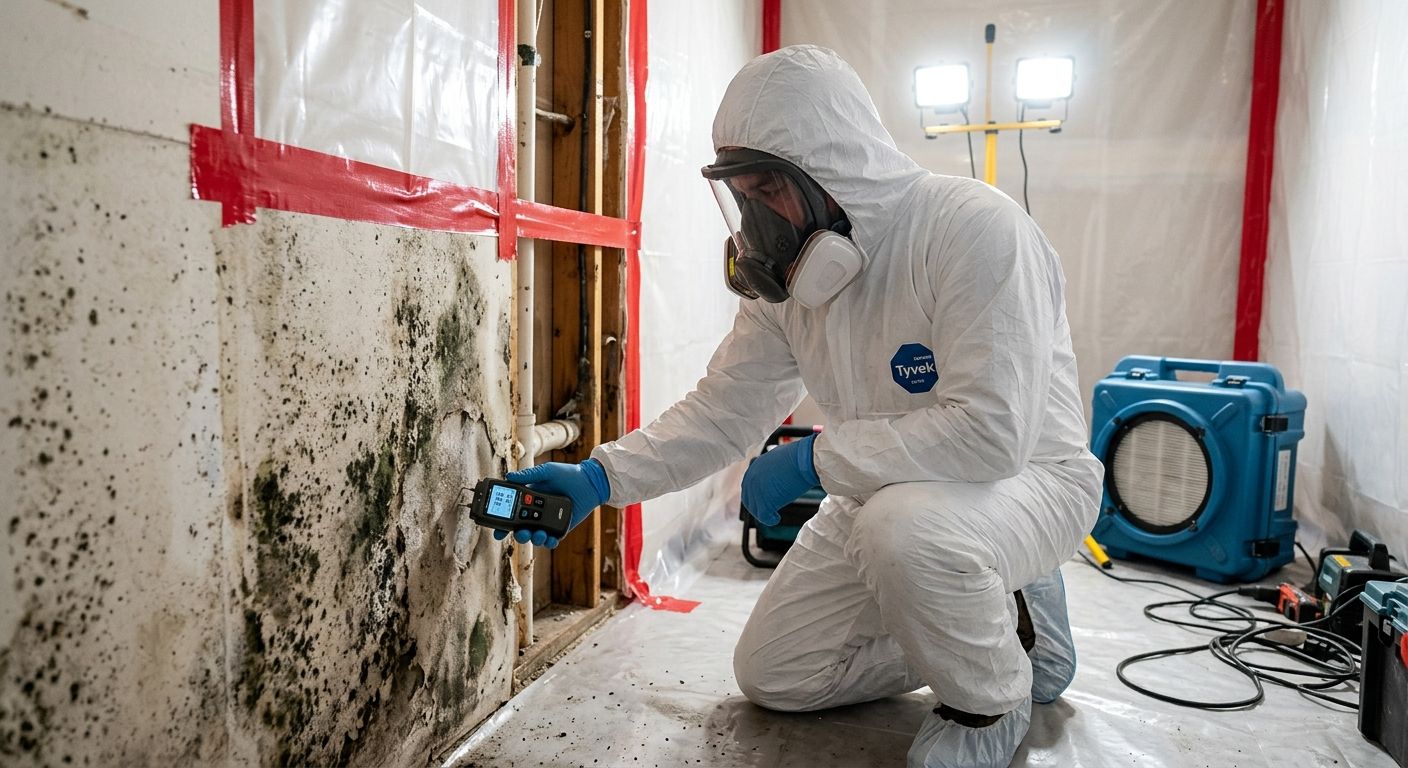
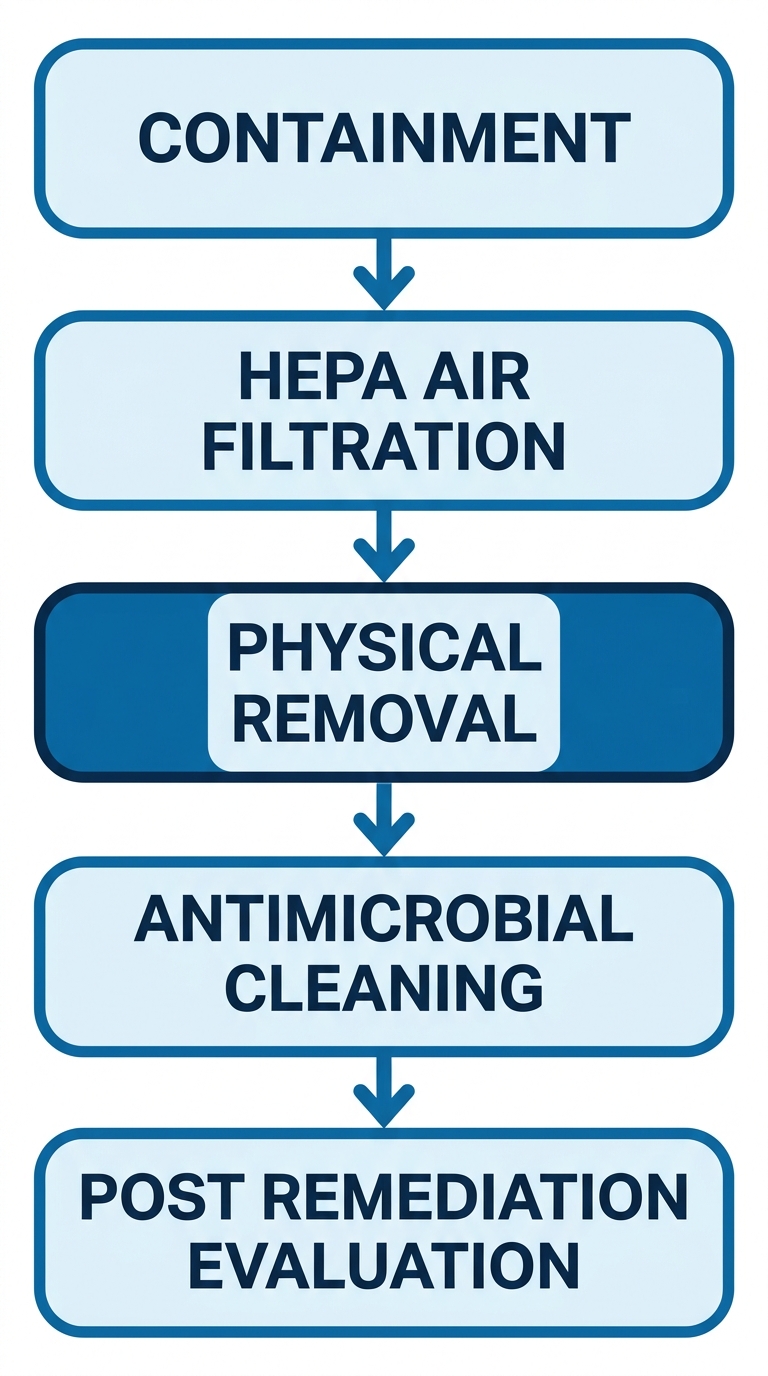
Professional mold remediation follows a standardized sequence. First, the underlying moisture issue is identified and repaired, an essential step emphasized by both the EPA and ANSI/IICRC S520-2024. Containment: technicians seal the affected area with plastic sheeting and establish negative air pressure to prevent spore migration. HEPA air filtration: high-efficiency air scrubbers continuously capture airborne spores throughout the work. Physical removal: damaged porous materials like drywall and carpet are cut out and disposed of; the standard requires this before applying any antimicrobial treatment. Hard surfaces are then scrubbed with EPA-registered cleaners. Finally, we perform a Post Remediation Evaluation (PRE), a required verification step in the 2024 IICRC S520 standard that confirms the area is safe to occupy. Whether you need residential cleanup or commercial mold remediation berkeley, our technicians follow this rigorous protocol to protect your health.
What are the first signs I need professional mold removal?
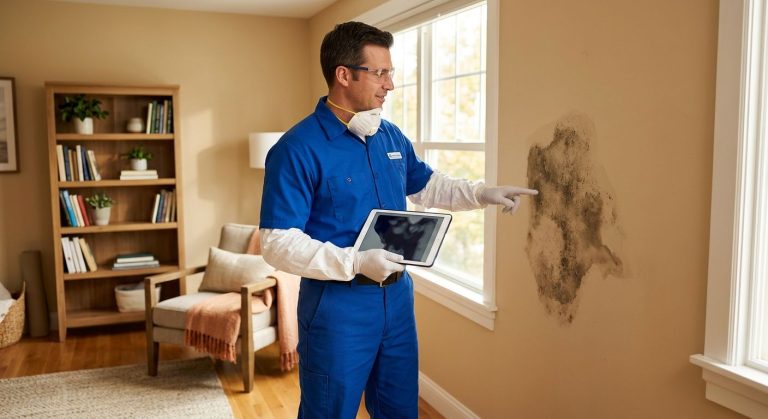
Several signs suggest it’s time to call a professional. A musty odor that lingers even after airing out the space often indicates hidden mold. Visible discoloration—black, green, or white patches on walls, ceilings, or under sinks—is a direct clue. A history of water damage, leaks, or flooding (even if previously dried) creates the moisture conditions mold needs. Occupants may also notice allergy-like symptoms: sneezing, coughing, or irritated eyes that improve when they leave the building. If any of these indicators sound familiar, call Bio 911 for a discreet assessment.
Can I kill mold naturally or should I trust professional treatment?
Home remedies like bleach, vinegar, or hydrogen peroxide may kill surface mold, but they do not remove dead spores or the allergens they release. The EPA notes that moldy porous materials often cannot be salvaged—they must be removed and discarded. Professional treatment follows the IICRC S520 standard: physical removal of contaminated materials precedes any chemical antimicrobial application, ensuring the root cause and lingering allergens are addressed. A Post Remediation Evaluation confirms that your property meets safety benchmarks. After remediation, ensuring your property meets local building codes and has proper permits for any reconstruction is the next critical step.
Codes, Permits, and Compliance for Mold Remediation in Berkeley
Bio 911 manages every aspect of compliance so you can focus on returning to a safe, healthy environment. We handle all the necessary documentation and permitting, ensuring your remediation project meets Berkeley’s requirements while satisfying insurance expectations.
How do you ensure code compliance and provide documentation for insurance?
For professional mold removal services in Berkeley, California, Bio 911 ensures full code compliance from the assessment through final clearance. Our commercial mold remediation Berkeley clients receive comprehensive compliance reports designed to satisfy insurance adjusters and property managers alike. We adhere to the ANSI/IICRC S520 standard—recognized by the American National Standards Institute (ANSI) as the authoritative protocol for professional mold remediation—and follow the U.S. Environmental Protection Agency’s guidelines for moisture control and safe cleanup practices.
Our documentation package is thorough, including:
- Itemized work reports detailing every step of the remediation process
- Photographic evidence documenting conditions before and after treatment
- Waste disposal manifests verifying regulated materials were handled and transported
What moisture mapping and safety measures do you implement?
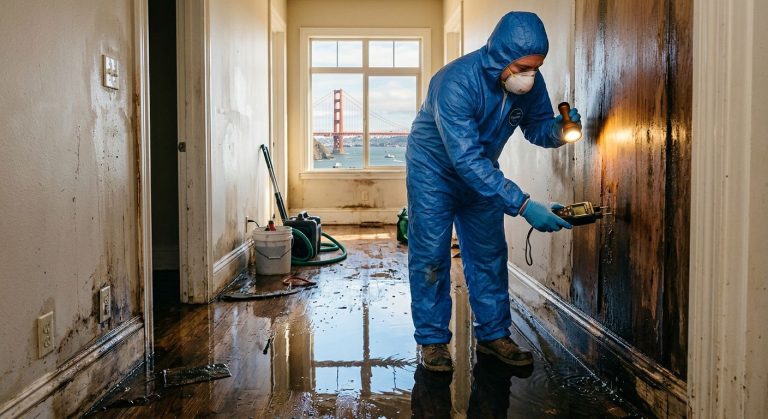
Before any remediation begins, our IICRC-certified technicians conduct moisture mapping using specialized meters and thermal imaging tools to locate hidden moisture sources. We dry water-damaged materials within 24 to 48 hours—a timeframe the EPA identifies as critical—and remove porous materials that cannot be fully restored.
We implement strict safety protocols, including bloodborne pathogen handling, containment, and appropriate personal protective equipment, to protect both occupants and our team. This disciplined approach to compliance and documentation helps minimize project delays and disruption, which influences the overall remediation timeline and supports a faster, safer return to occupancy.
Mold Remediation Timeline and Disruption Management
After ensuring compliance with local codes and permits, understanding the project timeline and containment strategies helps homeowners and businesses in Berkeley prepare for a smooth restoration.
How long does the typical mold remediation process take?
Understanding the mold remediation timeline helps you plan for the disruption. The duration depends primarily on the size of the affected area and the extent of moisture damage. According to the U.S. Environmental Protection Agency, water-damaged materials must be dried within 24 to 48 hours to prevent mold. For patches under 10 square feet, the EPA says homeowners can often clean the area themselves with detergent and water. Larger contamination, or instances involving HVAC systems or sewage, call for professional remediation. In such cases, the timeline can range from three to five days, though extensive structural repairs may extend it to a week or more.
How do you minimize disruption and prevent mold recurrence?
Minimizing disruption involves containment and moisture control. Professional teams seal off the work area with plastic sheeting and use negative air pressure to contain dust and spores. According to EPA guidance, moisture control is the single most important factor for stopping and preventing mold. Remediation experts use detailed moisture mapping to locate hidden water sources and ensure all damp materials are dried or removed, correcting the root cause before restoration concludes. To prevent recurrence, maintain indoor relative humidity between 30 and 50 percent and promptly fix any leaks. In Berkeley, periodic inspections help catch moisture early. We recommend consulting a qualified professional whenever mold growth exceeds the small DIY threshold.
Still Have Questions About Mold Removal in Berkeley, California?
Remediation timelines and the steps involved can raise further questions, and you may still have concerns about mold removal services in Berkeley, California. If that’s the case, the simplest next step is to contact Bio 911.
You can reach us directly at (925) 329-4604, or email office@bio911sf.com with your questions. Our team is available Monday through Friday, 8:00 AM to 6:00 PM, and we’re closed Saturday and Sunday. We’re here to help when you’re ready.