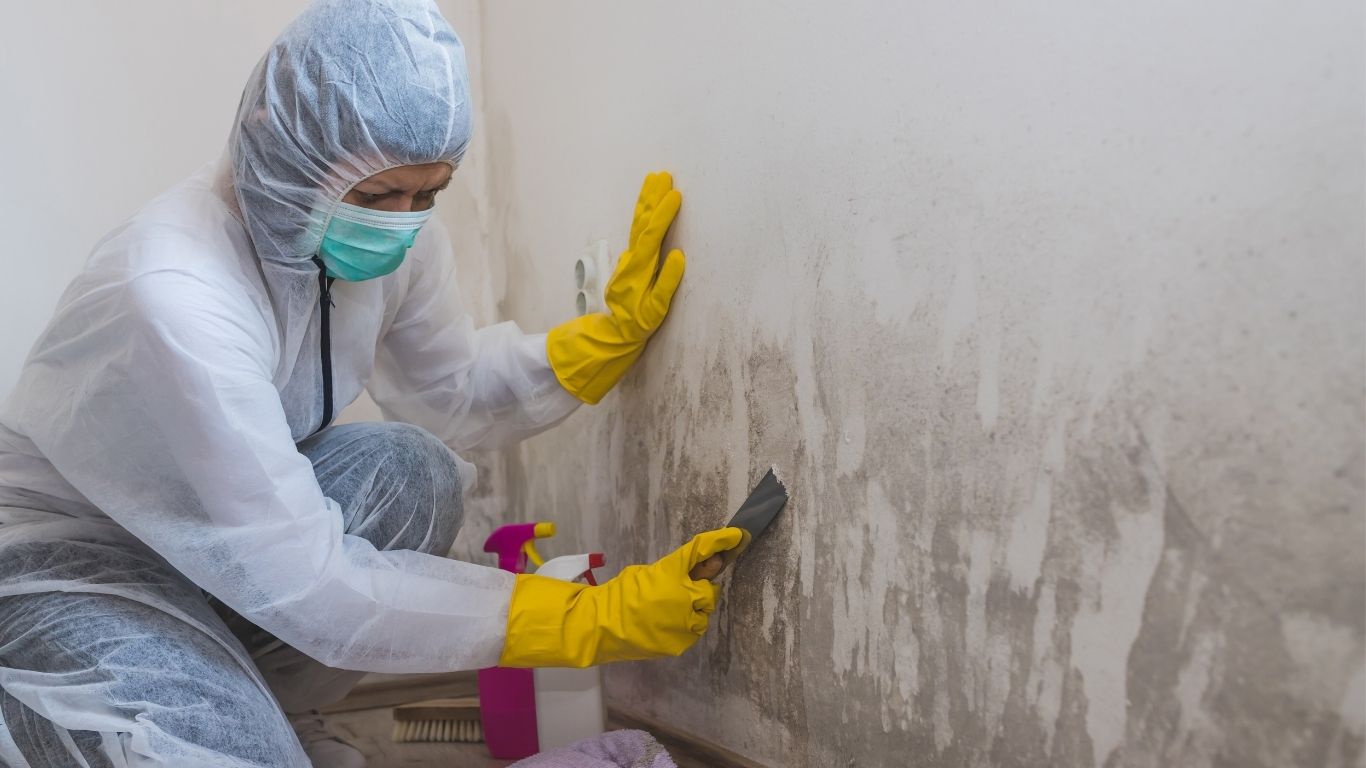
The Essential Process of Mold Decontamination in Pleasanton
Mold can appear where you least expect it. It often follows leaks, plumbing problems, or long periods of dampness. You may smell a stale odor or see dark marks. Walls can feel wet too. Still, what you can see may not show the full picture. That’s where mold decontamination services in Pleasanton can help. Professional cleanup does more than clean. It looks for moisture. It controls the affected area. It also handles mold safely. At Bio 911, we understand that finding mold in your home or business can feel overwhelming. A clear process can make the situation easier to manage.
Why Mold Decontamination Matters
Mold Can Hide in Unexpected Places
Mold doesn’t always grow in an obvious spot. It can grow behind drywall, under flooring, in insulation, or near water-damaged areas.
A small patch on a wall could point to a larger moisture problem. Wiping the area can make it look better. However, it often doesn’t fix what’s underneath.
Professional mold decontamination in Pleasanton checks for the whole problem. It’s not just about treating visible mold.
Moisture Keeps Mold Growing
Mold needs moisture to grow. Leaking pipes can cause problems. Roof issues, condensation, and bad ventilation are also concerns. Past flooding can also lead to mold growth. All these factors support mold.
The U.S. Environmental Protection Agency says moisture control is key. It helps manage indoor mold. The EPA also recommends drying wet areas within 24 to 48 hours when possible to help prevent mold growth.
Mold Can Affect Indoor Comfort
Mold releases tiny spores into the air. People react to mold in various ways. They may sneeze, feel congested, or have itchy eyes. Other irritations can also occur.
A musty odor or mold that keeps coming back means it’s time to have a pro take a look. They can find out what needs fixing.
Signs Your Pleasanton Property May Need Mold Decontamination
Not every mold problem looks the same. Some warning signs include:
- Persistent musty or damp odors
- Visible mold on walls, ceilings, or floors
- Recurring leaks or condensation
- Mold that returns after cleaning
- Damp materials following water damage
Mold can keep coming back if the dampness remains. It may be behind a wall or under the floor. Sometimes it is in an area you cannot check or get to right away.
The Essential Mold Decontamination Process
Step 1: Inspecting the Property
Professional remediation begins with a site check. Technicians check for mold. They look for damp areas, water damage, and any spots that might be contaminated.
At Bio 911, we start by understanding the property. Then, we decide how to clean it up. Professionals may use moisture meters and other tools to locate damp areas.
Step 2: Containing the Affected Area
Mold cleanup can disturb spores. Without proper precautions, those spores can spread to other parts of the property.
Professionals use barriers to contain dust. They also manage the air flow. They add proper air filters too. This helps keep the dust and small particles from traveling while the work is being done.
Step 3: Removing Mold and Damaged Materials
Not every material needs to be taken off. Professionals check whether they can safely clean the affected surface. They also determine if the material is too damaged.
Cleanup can mean removing damaged or contaminated drywall. It may also involve taking out insulation, flooring, carpet, or other porous materials. This depends on the situation.
Step 4: Cleaning and Decontaminating Surfaces
After removing damaged materials, professionals clean affected surfaces using appropriate methods and equipment. HEPA filtration can help capture fine particles during cleanup.
Professional mold decontamination in Pleasanton is not just about spraying mold. It involves much more than that. The team must handle affected areas carefully. They should also work to limit the spread of contamination.
Step 5: Drying and Correcting Moisture Sources
Cleaning mold without addressing moisture can lead to recurring problems. Professionals start by identifying what caused it to grow in the first place. This could mean fixing a leak. It might also involve improving ventilation. You may need to address condensation or dry wet materials.
Step 6: Final Inspection
Once cleanup ends, the team reviews affected areas and checks moisture conditions. This lets them verify that they carried out the remediation steps as planned.
Why DIY Mold Decontamination Can Fall Short
Surface Cleaning Doesn’t Always Reach Hidden Mold
Household cleaners can tackle surface stains. However, they can’t reach mold hidden behind walls or under flooring. If dampness stays trapped there, the mold can keep growing.
Mold Spores Can Spread During Cleanup
Scrubbing or removing contaminated materials can disturb mold spores. Professional containment and filtration help reduce the risk of spreading contamination.
Moisture Problems May Go Undetected
A room can feel dry while moisture remains inside building materials. Without the right tools, finding hidden damp areas can be difficult.
Some Materials Need Professional Handling
Porous materials can absorb moisture and become difficult to clean effectively. Professionals can determine whether materials need cleaning, removal, or further evaluation.
How Professional Mold Decontamination Protects Your Property
It Helps Address the Source
Effective remediation looks beyond visible mold. You also need to find where the water is coming from. Once you correct the moisture issue, mold is less likely to return.
It Can Protect Building Materials
Early attention may limit damage to drywall, flooring, insulation, and wood. The longer moisture remains, the more difficult cleanup can become.
It Can Improve Indoor Comfort
Removing mold and musty odors can make a space feel cleaner and more inviting.
It Gives You Peace of Mind
Mold can leave homeowners wondering whether they have actually solved the problem. Professional cleanup offers a clear process. It shows you what the property needs next.
Choosing a Mold Decontamination Company in Pleasanton
Look for Relevant Training and Experience
Mold cleanup requires more than basic cleaning skills.
Inquire about the company’s experience with:
- Mold remediation
- Moisture issues
- Containment
- Contaminated materials
This will help you gauge their expertise in these areas.
Ask About the Complete Process
A professional company should describe how it manages:
- Inspection
- Containment
- Removal
- Cleaning
- Drying
- Final checks
This helps clarify their process.
Choose Clear and Respectful Communication
You shouldn’t feel pressured or confused about what’s happening in your home. Seek pros who answer questions, explain their choices, and respect your property.
Why Pleasanton Property Owners Can Turn to Bio 911
At Bio 911, we know mold problems can create plenty of questions. Where did it come from? How far did it spread? Can the affected materials stay? What needs to happen next?
Our team takes a careful approach to these concerns. We focus on finding affected areas. We control contamination and remove damaged materials when needed. We also address moisture conditions.
Homeowners and businesses needing mold decontamination in Pleasanton can benefit from professional help. This removes much of the guesswork.
Take the Right Steps When Mold Appears
Mold cleanup involves more than wiping away what you can see. A complete approach checks the moisture source. It also looks at contamination and affected materials. Finally, it includes steps to prevent the problem from returning.
If you see mold, smell musty odors, or find water damage, act quickly. Don’t wait for the problem to get worse. Professional mold decontamination in Pleasanton can solve the problem. It uses the right tools and methods.
Bio 911 helps property owners restore cleaner, more comfortable spaces. We take a careful approach from inspection to cleanup.